
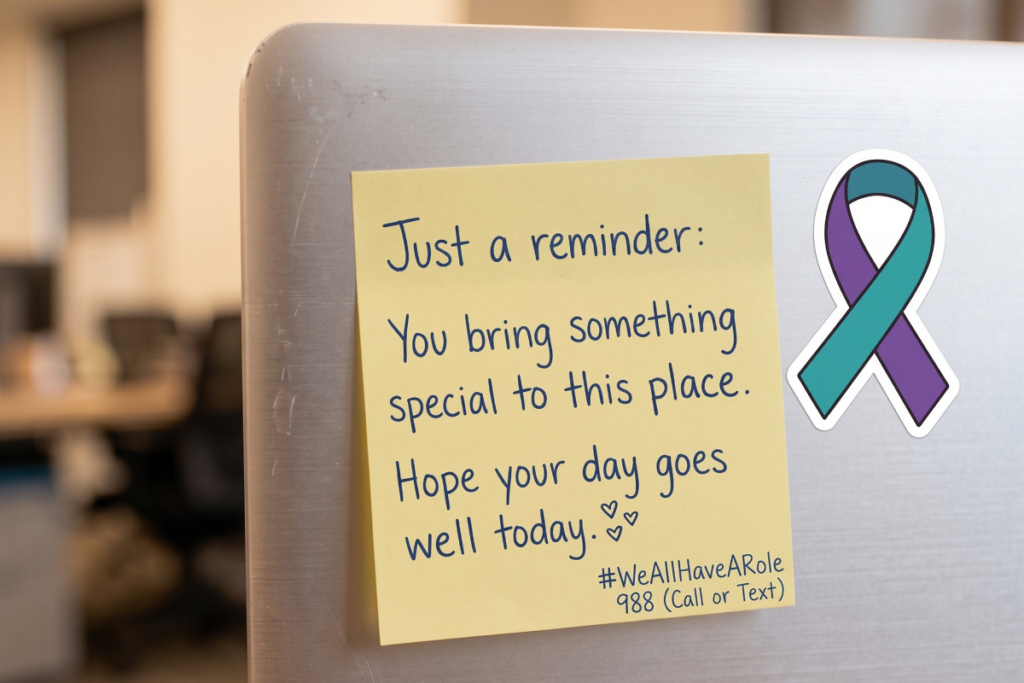
As we reach the midpoint of Suicide Prevention Awareness Month, national conversations often center on acute crisis interventions and clinical care. While dedicated medical treatment is vital, prevention begins much earlier. It starts in the environments where we spend the majority of our waking hours: our workplaces.
Creating a supportive culture does not require clinical training. Often, suicide prevention takes the form of everyday human connection—a thoughtful check-in, an encouraging note on a colleague’s desk, or the willingness to listen without judgment.
The Role of Workplace Culture in Mental Wellness
Workplaces can be sources of purpose, community, and personal growth. However, when unaddressed stress, high pressure, and isolation take over, they can also contribute to severe mental health struggles.
According to data from the Centers for Disease Control and Prevention (CDC), the majority of individuals who die by suicide are of working age. Because professional settings frequently encourage people to “mask” distress behind a polite smile or steady productivity, struggles often go unnoticed until a crisis occurs.
Fostering psychological safety at work breaks down this isolation. When teams cultivate environments where individuals feel seen, appreciated, and safe enough to ask for help, the threshold for seeking support drops significantly.
Simple Ways to Support a Colleague’s Mental Health
You do not need to be a mental health professional to make a meaningful difference. Small, intentional gestures build protective factors against depression and burnout.
- Leave an Unprompted Note of Appreciation: A simple sticky note on a laptop or desk stating “Just a reminder: You bring something special to this team” provides tangible proof of belonging on an overwhelming day.
- Ask the “Second Question”: Most people default to “I’m fine” when asked how they are doing. Following up with a gentle, specific inquiry—such as “I know that project was demanding, how are you really feeling lately?”—opens the door for genuine dialogue.
- Normalize Boundaries: Leaders and peers alike can model taking breaks, using mental health days, and disconnecting after work hours to prevent chronic emotional exhaustion.
- Listen Without Offering Immediate Fixes: When someone shares that they are struggling, avoid the instinct to minimize their stress with quick solutions. Often, simply validating their experience—”That sounds really heavy, thank you for trusting me with that”—is the most stabilizing response.
Recognizing When Someone Needs Professional Support
While peer connection is an essential buffer, it is equally critical to know the warning signs that indicate a colleague or loved one may need professional behavioral health care:
- Noticeable withdrawal from team collaboration, social activities, or communication
- Expressing feelings of hopelessness, feeling like a burden, or having “no way out”
- Dramatic shifts in mood, sudden drop in performance, or uncharacteristic disengagement
- Increased reliance on substances or neglecting personal well-being
Compassionate Behavioral Health Care in Orange County
Everyday connection provides a foundation of safety, but acute distress requires dedicated clinical care. At OC Specialty Health & Hospitals, our behavioral health specialists provide structured inpatient and outpatient support tailored to help individuals regain stability and long-term wellness.
If you or someone in your workplace or family is carrying a heavy burden, you do not have to navigate it alone.
Immediate Crisis Resources (Available 24/7):
- Suicide & Crisis Lifeline: Call or text 988 (Free, confidential, nationwide)
- Crisis Text Line: Text HOME to 741741
Connect with Our Care Team:
To learn more about our psychiatric services, outpatient programs, or mental health resources across Orange County, contact our admissions and clinical care team at (949) 900-8600.